Constance of Sicily and Aragon – “The Good Constance”
ENG
Constance of Sicily and Aragon – “The Good Constance”
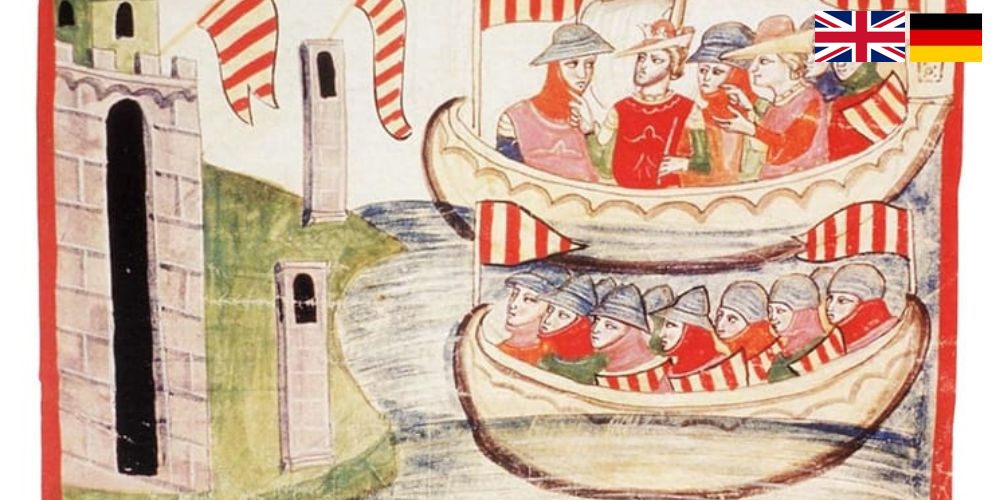
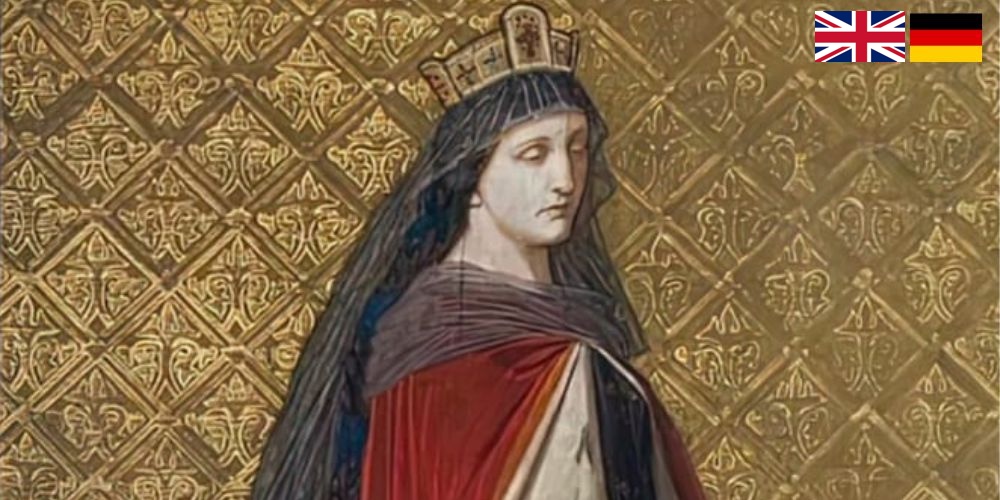
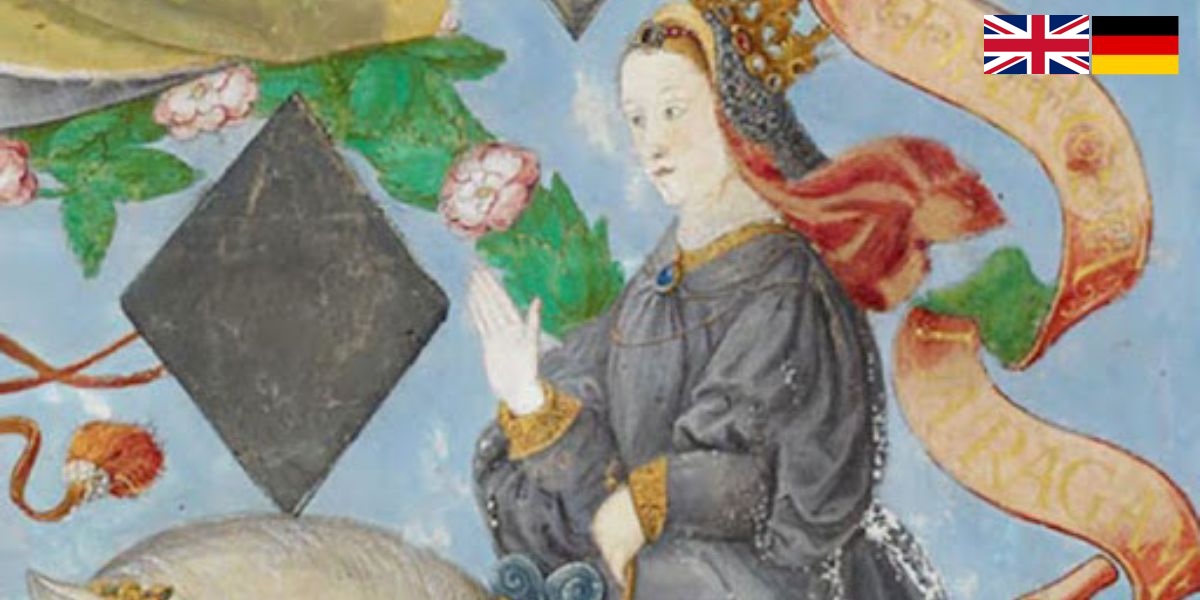
The last of her lineage, Constance of Sicily embodies the resistance of a usurped power. Daughter of Manfred and wife of Peter III of Aragon, she was the political mind behind the return of the crown to the Hohenstaufen during the revolt of the Sicilian Vespers.
Her portrait is that of a sovereign defined by sacrifice and steadfastness:
• Legitimacy: She urged her husband to reconquer the island in order to honour her father’s memory and reclaim the throne.
• Resistance: She endured the isolation brought by excommunication and the pressure of the Papacy without yielding.
• Her Role as a Mother: She acted as the central pillar of the family, protecting the unity of her sons Alfonso, James and Frederick from Angevin manoeuvres. A figure suspended between political strategy and private sorrow, she paid for her loyalty to her lineage with the loss of personal peace. To learn more, watch the live interview with writer Chiara Curione, author of the novel “Costanza. La guerra della regina” (Constance: The Queen’s War).
DE
Konstanze von Sizilien und Aragon
Als letzte ihrer Sippe verkörpert Constanze von Sizilien den Widerstand gegen eine widerrechtlich entrissene Macht. Die Tochter Manfreds und Gemahlin Peters III. von Aragón war der politische Kopf hinter der Rückkehr der staufischen Krone während des sizilianischen Vesperaufstands.
Ihr Porträt ist das einer Herrscherin, die durch Aufopferung und Standhaftigkeit geprägt wurde:
• Die Legitimität: Sie drängte ihren Gatten zur Rückeroberung der Insel, um das Andenken ihres Vaters zu ehren und den Thron zurückzufordern.
• Der Widerstand: Sie ertrug die Isolation der Exkommunikation und den Druck des Papsttums, ohne jemals zu wanken.
• Die Rolle als Mutter: Sie fungierte als einziger familiärer Anker und schützte die Einheit zwischen ihren Söhnen Alfons, Jakob und Friedrich vor den Machenschaften der Anjou.
Eine Gestalt zwischen kühler politischer Strategie und privatem Leid, die ihre Treue zum eigenen Geschlecht mit dem Verlust ihres Seelenfriedens bezahlte.