Game of Thrones in Southern Italy
ENG
"Game of Thrones" in Southern Italy
Normans, Hohenstaufen, Angevins, Aragonese… No, this is not a list for a history exam, but the crowded chessboard of Southern Italy in the thirteenth century! Feeling dizzy already? Don’t worry, let’s sort it all out in 60 seconds.
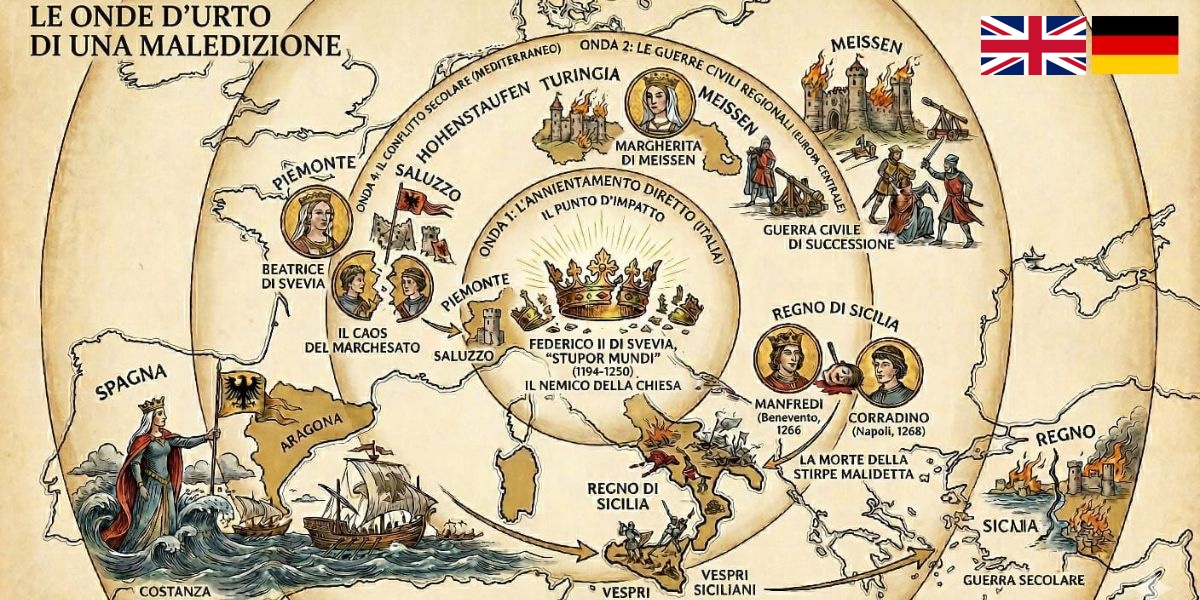
First half of the century: he is the man in charge, the Stupor Mundi. Frederick II of Hohenstaufen holds together an empire stretching from Germany to Sicily. A golden age that comes to an end with his death in 1250.
His son Manfred then takes the throne. He is not Emperor, he is “only” King of Sicily — which at the time meant the whole of Southern Italy, from Abruzzo downwards. But there is a problem: the Church cannot stand him, and without Rome’s approval, no emperor and no king can stay in power for long. So what does Pope Clement IV do?
He calls in the latest “bully” from France: Charles of Anjou, an ambitious, landless warlord whom the Pope gives a very clear mission: “Destroy the Hohenstaufen.”
Charles arrives, defeats Manfred at Benevento in 1266, and establishes a harsh regime in the Kingdom of Sicily.
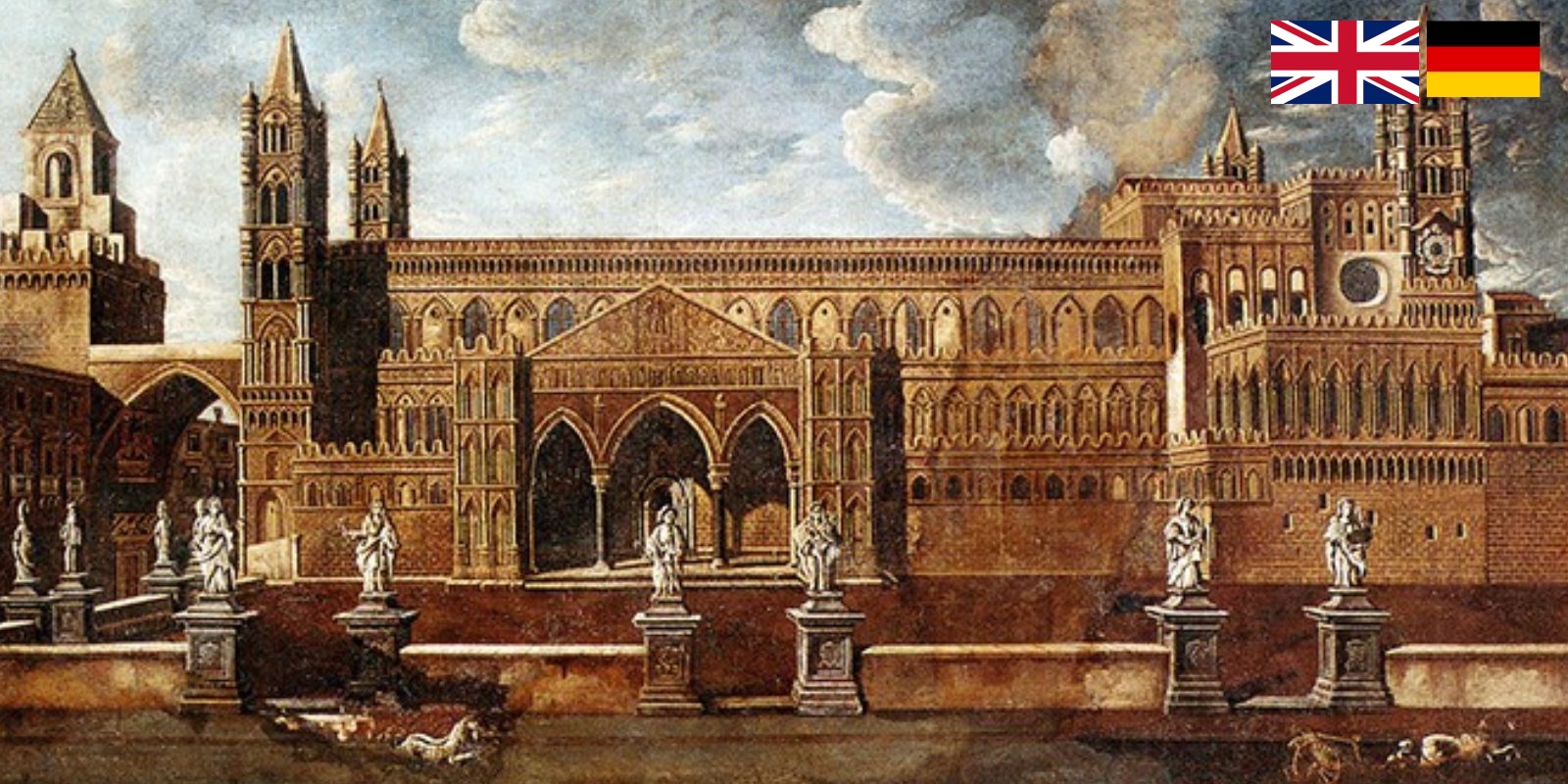
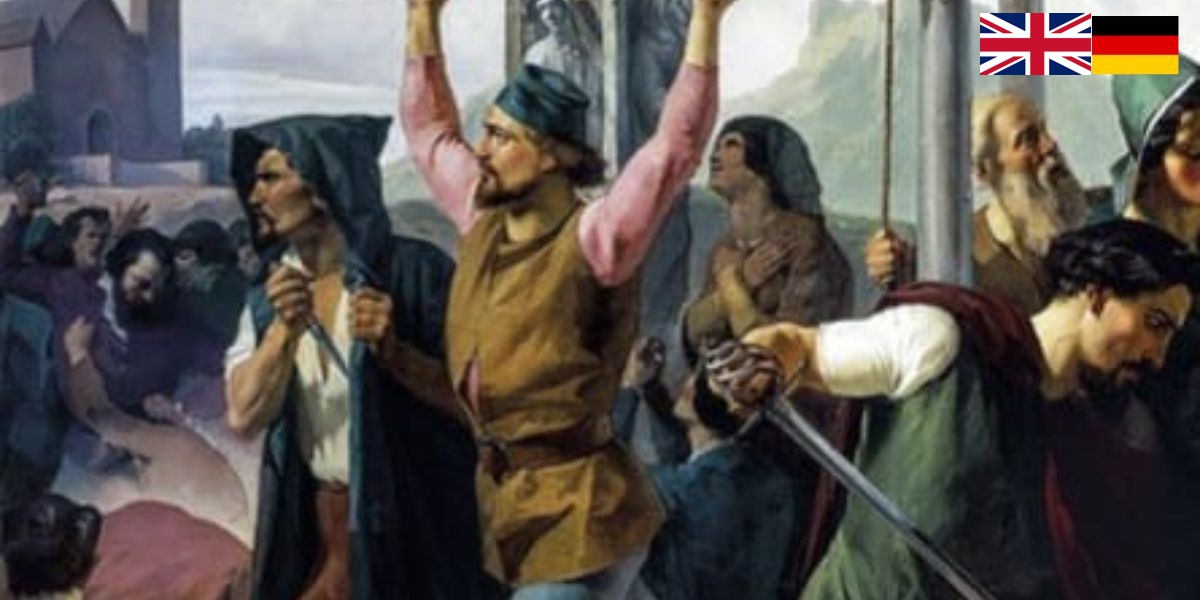
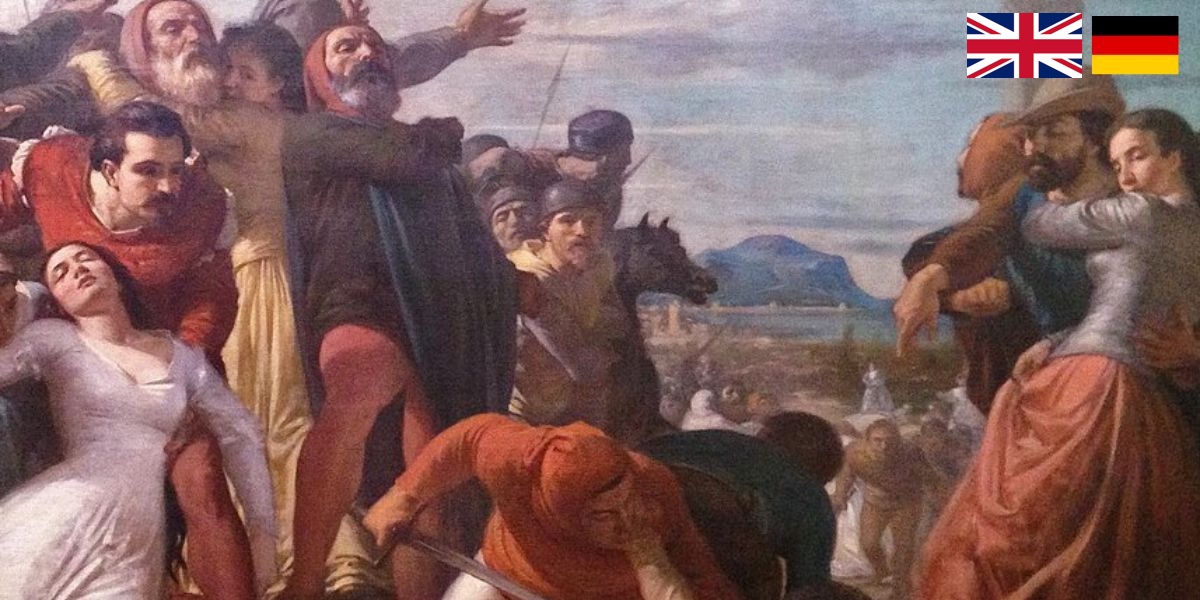
But the Sicilians refuse to accept it. At Easter in 1282, the so-called Sicilian Vespers break out: a legendary revolt said to have begun after a French soldier insulted a woman from Palermo. The uprising spreads in no time and turns into a full-scale war against the Angevin invaders.
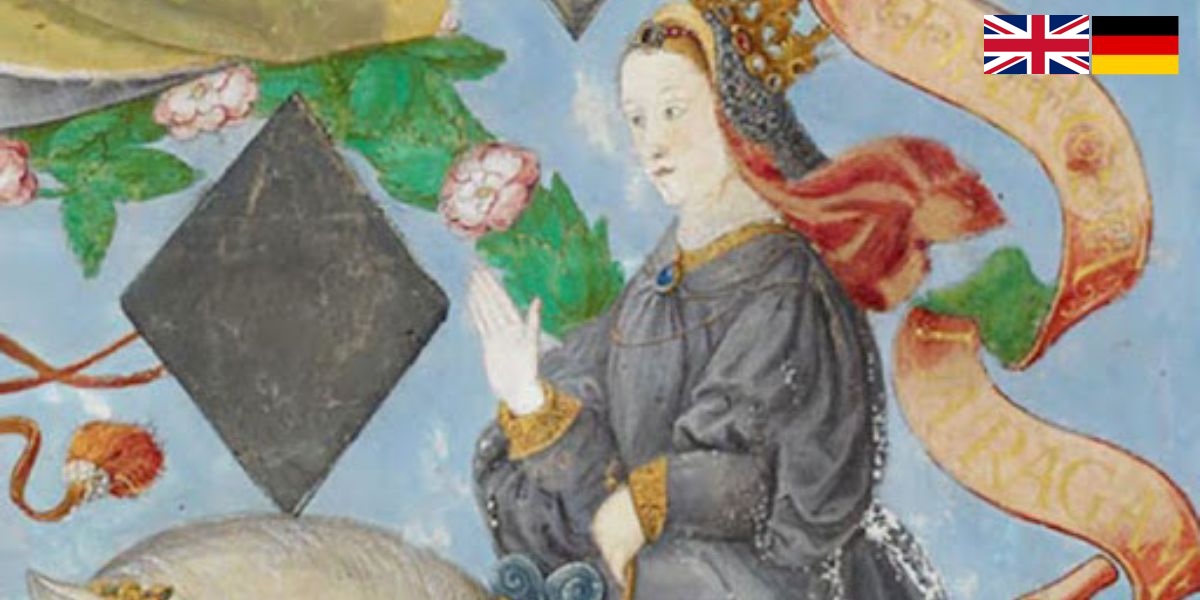
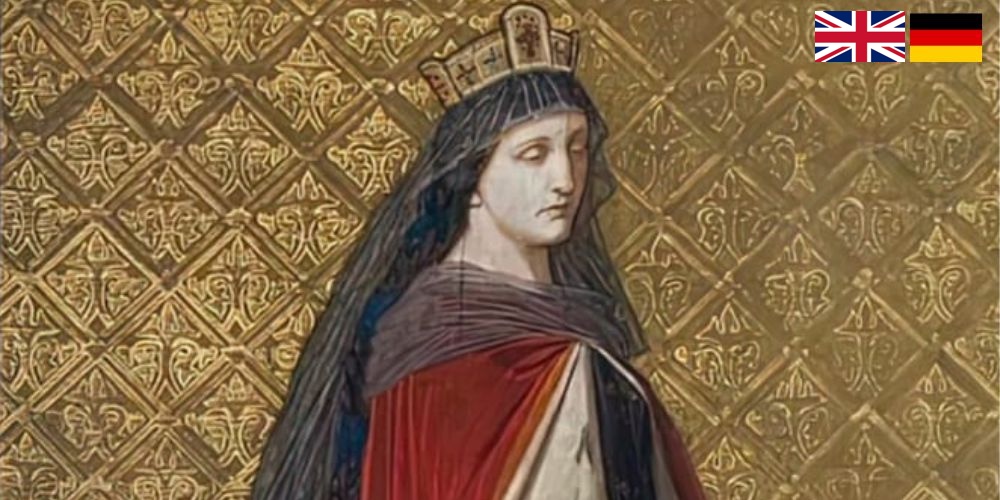
And here comes the twist. The Sicilians cannot fight the French on their own, so they need help. They call upon the only legitimate heir to the throne of Sicily: Constance of Hohenstaufen, daughter of Manfred and granddaughter of Frederick II.
She happens to be happily married to the Spanish king Peter of Aragon, and their marriage becomes the real game changer in this complicated situation.
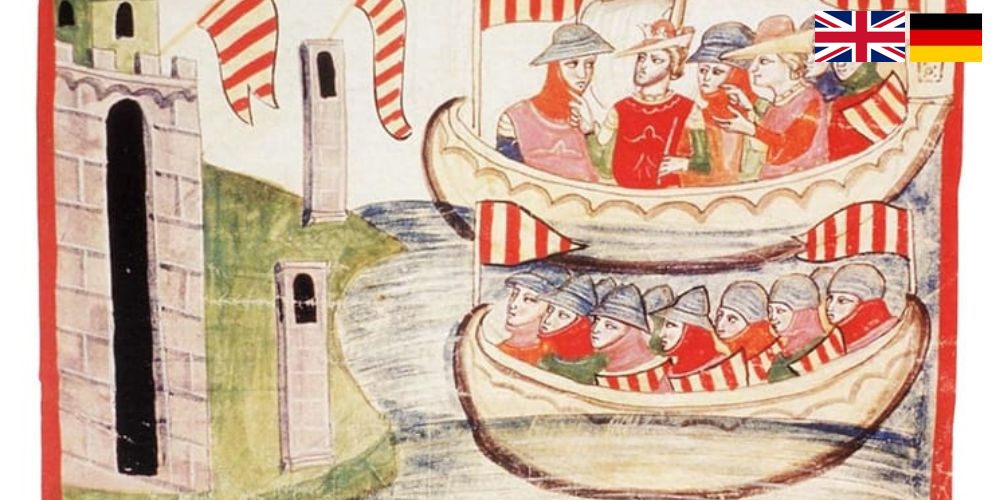
The Aragonese land in Sicily, drive out Charles of Anjou, and remain there for more than a century.
Did you already know about this plot worthy of a TV series? Keep following us!
DE
„Game of Thrones“ in Süditalien
Normannen, Staufer, Anjou, Aragonier … Das ist Sueditalien im 13. Jahrhundert.
Erste Hälfte des Jahrhunderts: Friedrich II. von Hohenstaufen hält ein Imperium zusammen, das von Deutschland bis nach Sizilien reicht. Eine goldene Ära, die jedoch mit seinem Tod im Jahr 1250 ihr Ende findet.
Sein Sohn Manfred besteigt den Thron. Er ist kein Kaiser, sondern „nur“ König von Sizilien – was damals das gesamte heutige Süditalien bedeutete, von den Abruzzen abwärts. Doch es gibt ein Problem: Die Kirche ist ihm gegenüber feindselig gesinnt. Ohne den Segen Roms kann sich kein Kaiser, kein König lange an der Macht halten. Und was unternimmt der damalige Papst Clemens IV.?
Er ruft den „starken Mann“ aus Frankreich herbei: Karl von Anjou, ein ehrgeiziger Feldherr ohne eigenes Land. Der Papst gibt ihm einen präzisen Befehl: „Vernichte die Staufer“. Karl erscheint, siegt 1266 bei Benevent gegen Manfred und errichtet im Königreich Sizilien ein unerbittliches Regime.
Doch die Sizilianer beugen sich nicht. Am Ostermontag 1282 bricht die sogenannte Sizilianische Vesper los. Ein legendärer Aufstand, entfacht durch die Beleidigung einer Frau aus Palermo durch einen französischen Soldaten. Der Aufstand verbreitet sich in Windeseile und wird zu einem Krieg gegen die Besatzer aus dem Hause Anjou.
Und hier kommt die Wendung. Die Sizilianer allein können gegen die Franzosen nicht bestehen; sie brauchen Hilfe und rufen die einzige rechtmäßige Erbin des Throns von Sizilien: Konstanze von Hohenstaufen, Tochter Manfreds und Enkelin Friedrichs II.
Sie ist – zudem glücklich – mit dem spanischen König Peter von Aragon verheiratet. Ihre Ehe wird zum entscheidenden Wendepunkt in diesem verworrenen Machtspiel.
Die Aragonier landen auf Sizilien, vertreiben Karl von Anjou und bleiben dort für über ein Jahrhundert.