The Cry of a People – The Revolt of the Sicilian Vespers
ENG
The Cry of a People – The Revolt of the Sicilian Vespers
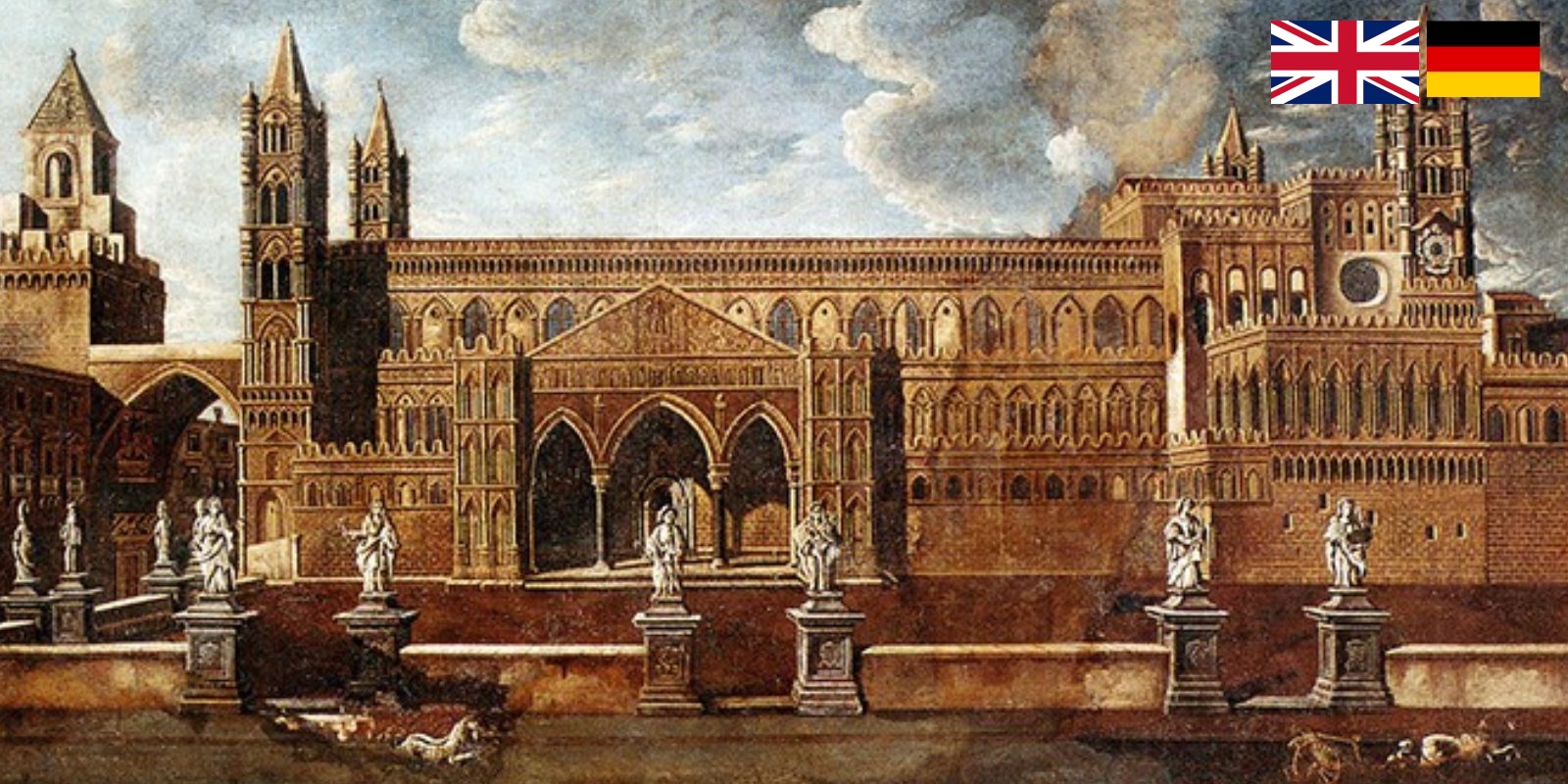
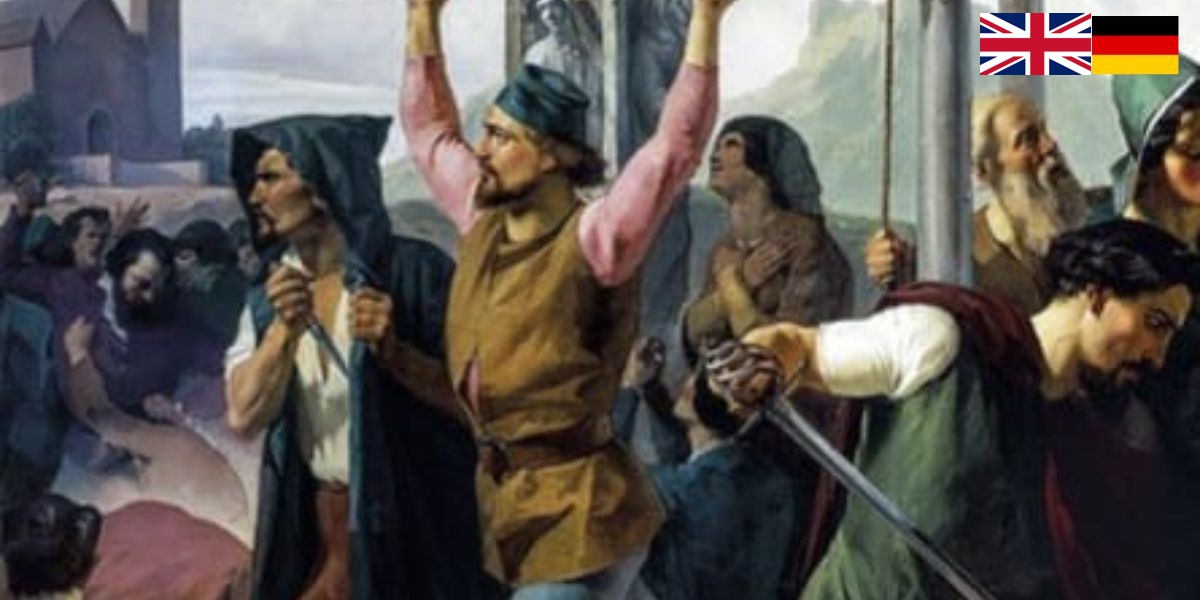
Palermo, Easter Monday, 1282. The people of Palermo make their way outside the city walls, towards the Church of Santo Spirito, today located within the cemetery of Sant’Orsola, to attend the religious services. But the atmosphere is tense. The French soldiers of Charles of Anjou are everywhere, nervous, ready to search anyone they suspect of carrying weapons. It is four o’clock in the afternoon. The bells ring for Vespers, but this time they are not calling people to prayer... they are marking the beginning of a massacre.
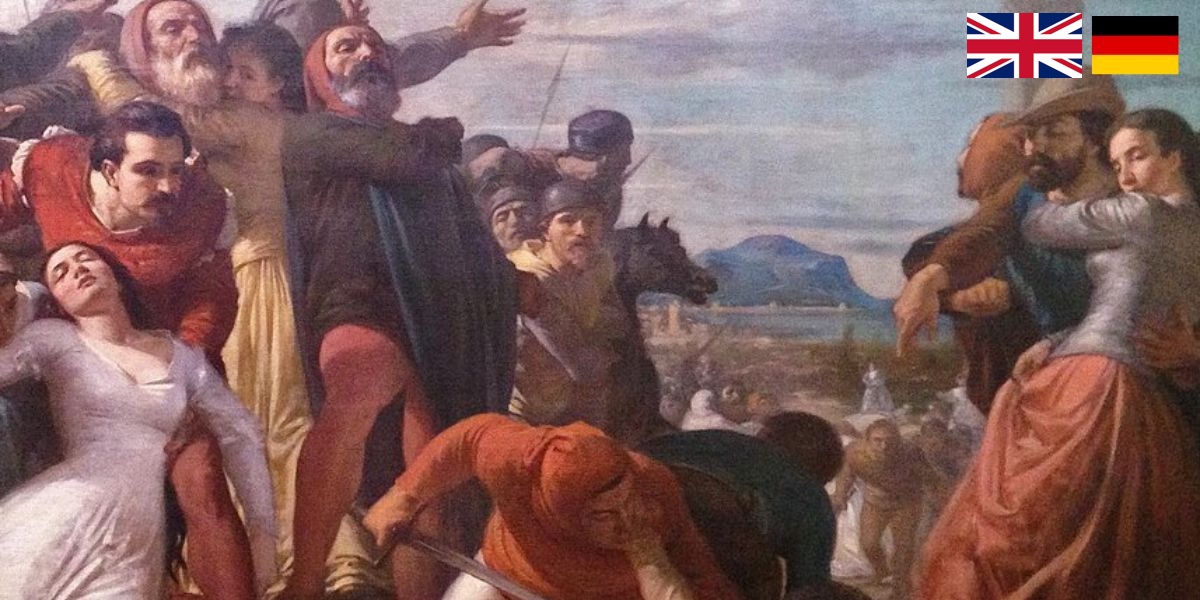
Then, suddenly, comes the fatal mistake. A French soldier goes too far: he brutally harasses a young bride in front of everyone. Her husband does not hesitate. Blinded by rage, he draws a dagger and plunges it into the soldier’s heart. This is the point of no return.
Within seconds, the square becomes a battlefield. The cry of “Death to the French!” erupts through the streets of Palermo like wildfire. In a single night, two thousand people are slaughtered. Those who are not killed flee the island in terror. By dawn, the Angevin banner has been torn to pieces; in its place flies the Hohenstaufen eagle, the emblem Frederick II had given to the city of his youth.
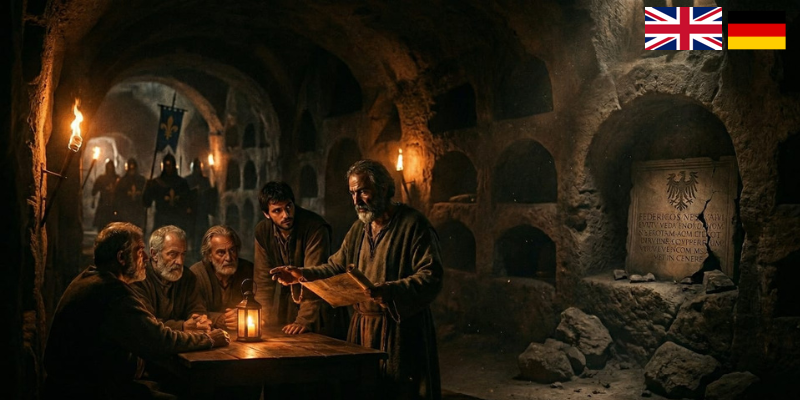
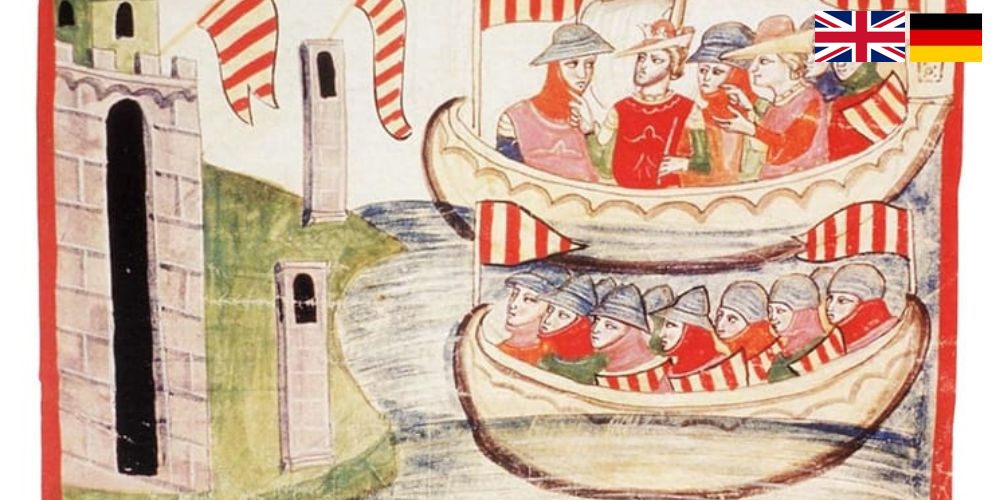
But did all this really happen by chance? Apparently yes, but in reality the revolt of the Sicilian Vespers was anything but spontaneous. For years, the great Ghibelline families, loyal to the Hohenstaufen, such as the Lauria, Lanza and Procida families, had been plotting from exile in the hope of returning home.
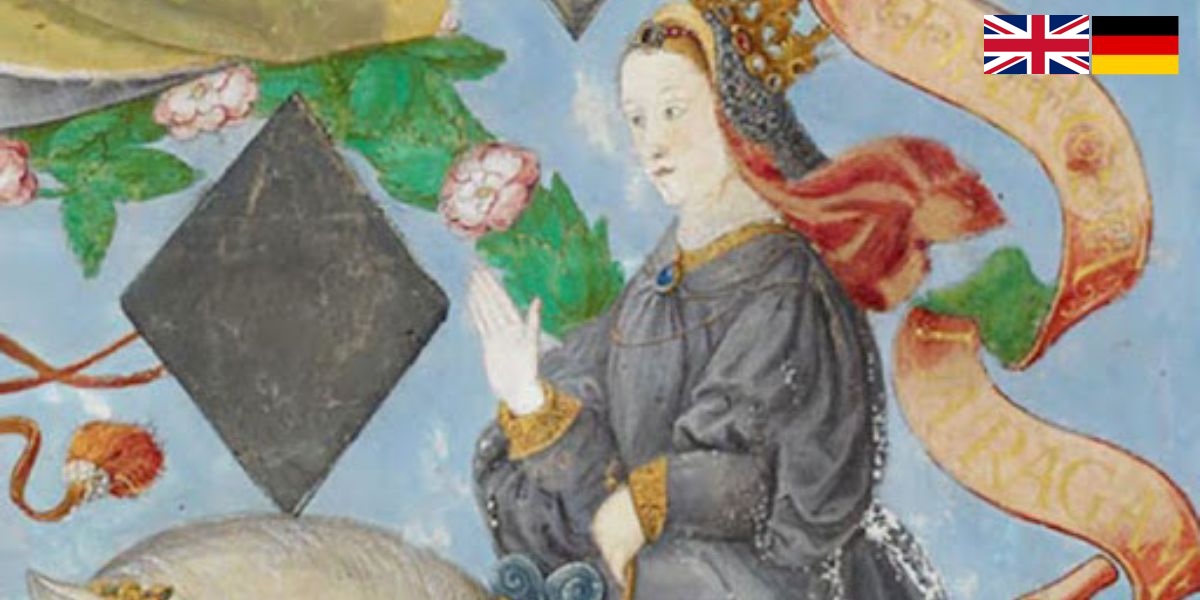
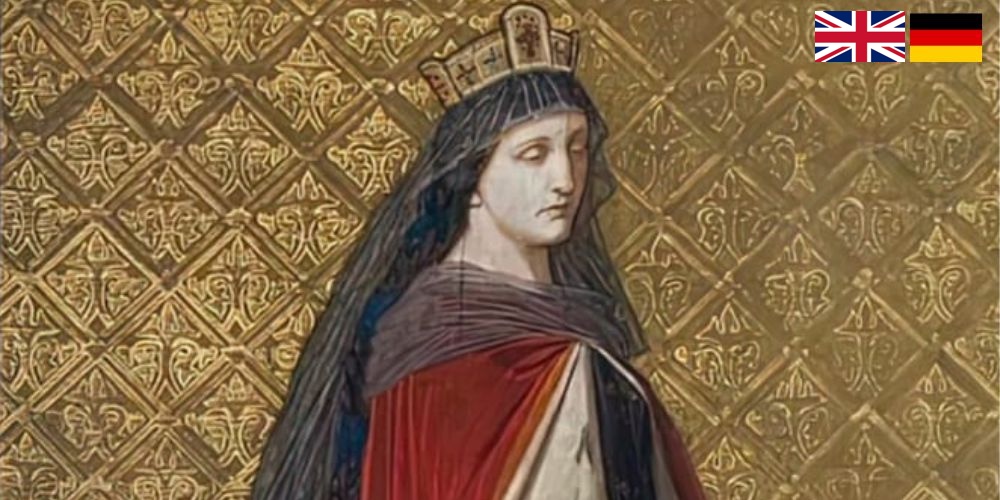
Their point of reference was in Spain, at the court of Peter III of Aragon and his wife, Constance of Swabia – the only true heir to the throne of Sicily. The Sicilian Vespers therefore marked the beginning of a planned liberation from Angevin rule, with the intention of restoring the old balance of power that had existed under the Hohenstaufen. And we will see whether this could truly have been the case.
And which side are you on? Do you believe more in the action of a single man, in the spontaneous fury of the people, or in the strategy of the great exiles who had been preparing the conspiracy in the shadows for years?
DE
Der Schrei eines Volkes – Der Aufstand der Sizilianischen Vesper
Palermo, Ostermontag 1282. Die Menschen strömen vor die Tore der Stadt, hin zur Kirche Santo Spirito – heute verborgen hinter den Mauern des Friedhofs von Sant’Orsola. Sie suchen den Segen der Liturgie, doch die Luft ist schwer, gesättigt von einer unheilvollen Spannung. Überall stehen die Soldaten von Karl von Anjou: nervös, lauernd, bereit, jeden zu demütigen, den sie der Waffenruhe verdächtigen.
Es ist vier Uhr am Nachmittag. Die Glocken läuten zur Vesper. Doch ihr Klang ist diesmal keine Einladung zum Gebet... er ist das Signal für ein Massaker.
Dann geschieht das Unverzeihliche. Ein fataler Fehltritt, der die Welt aus den Angeln hebt: Ein französischer Soldat geht zu weit und bedrängt eine junge Braut vor den Augen aller. Ihr Ehemann zögert keine Sekunde. Von blindem Zorn gepackt, zieht er seinen Dolch und stößt ihn dem Peiniger mitten ins Herz. Es gibt kein Zurück mehr.
Binnen Sekunden verwandelt sich der Kirchplatz in ein Schlachtfeld. Der Schrei „Morte ai Francesi!“ fegt wie ein Lauffeuer durch die Gassen Palermos. In einer einzigen Nacht werden zweitausend Menschen hingerichtet. Wer nicht stirbt, flieht in nacktem Entsetzen von der Insel. Im Morgengrauen liegt das Banner der Anjou in Fetzen. An seiner Stelle weht stolz der staufische Adler – jenes Wappen, das Friedrich II. der Stadt seiner Jugend einst geschenkt hatte.
Doch geschah all dies wirklich nur durch einen Zufall? Es scheint so. Doch in Wahrheit war die Sizilianische Vesper alles andere als ein spontaner Ausbruch. Seit Jahren schmiedeten die großen ghibellinischen Familien – jene, die den Staufern die Treue hielten, wie die Lauria, die Lanza und die Procida – im Exil Pläne für ihre Heimkehr.
Ihr Blick war nach Spanien gerichtet, an den Hof von Peter III. von Aragon und seiner Gemahlin Konstanze von Sizilien – der letzten rechtmäßigen Erbin des staufischen Throns. So betrachtet, war die Vesper der Beginn einer minutiös geplanten Befreiung vom Joch der Anjou, mit dem Ziel, die alte Ordnung der Stauferzeit wiederherzustellen.